All Categories
Featured
Table of Contents
Focusing on search intent achieves that, and that suggests more presence and pertinent leads. Believe of regional SEO as a subset of local search marketing.
Sticking to Google's guidelines and SEO best practices is important to make sure your company is represented precisely and prominently in search results. Play by the guidelines, and you'll build trust with both Google and your customers.
These standards cover whatever from how you present your company details to the types of material you can post. Usage naturally put keywords within your content, focusing on relevance while providing a great user experience.
Comparing Effective Local Ranking Tactics
Adhering to the rules helps you prevent potential penalties. It also helps build trust with Google and your clients, translating into much better rankings, more local exposure, and a stronger brand presence. User experience (UX) contributes in both engagement and exposure. A smooth, instinctive site keeps users engaged, reduces bounce rates, develops trust, and increases conversions.
As I discussed earlier, Google desires to offer users the very best possible outcomes to satisfy their requirements as rapidly as possible. Take these steps to assist achieve that: Simplify website navigation. Enhance load times. Make your site mobile-friendly. Provide quality material that offers worth to your readers. Provide a clear call to action (CTA) to guide users on what to do next.
Core Web Vitals are not a direct ranking factor, however enhancing these metrics can improve user experience, minimize bounce rates, and enhance mobile usability, which have a total positive effect on your website's efficiency. Enhanced CWVs signal to Google that a site carries out effectively based upon the following metrics: Largest Contentful Paint (LCP): LCP measures how rapidly your website's main content requires to load.
Slow load times frustrate users and injure rankings, even if you pay to be at the top. Keep in mind, Google just appreciates showing the best resultsand keeping its users happy. Interaction to Next Paint (INP): This is Google's favored step of your site's responsiveness based on the time it considers the web browser to react to user interactions like clicks or taps.
Higher ratings can adversely affect user engagement. Cumulative Layout Shift (CLS): CLS measures the stability of your website. Another huge plus for local search marketing?
It's like saying to your customers, "Psst! This enables you to display different products or occasions to various audience sectors without creating a lot of different emails. Time when you send your emails like a local, so they hit consumers' inboxes when they're most likely to open them.
Nothing builds trust much faster than seeing that your neighbors enjoy a product. Include things like customer testimonials or user-generated content from close-by delighted clients. These pointers will make your customers seem like you're right there, in their area, speaking their language. Wish to deliver material, ads, promotions, or events to people in a specific location? Usage geotargeting.
Measuring Local Success for Local Shops
Your starting point here is running hyper-local ads Platforms like Google Ads and Facebook Ads let you target specific cities, communities, or even ZIP codes, guaranteeing your message reaches the most relevant audience. When was the last time you looked at a product and services review? I bet it wasn't long back.
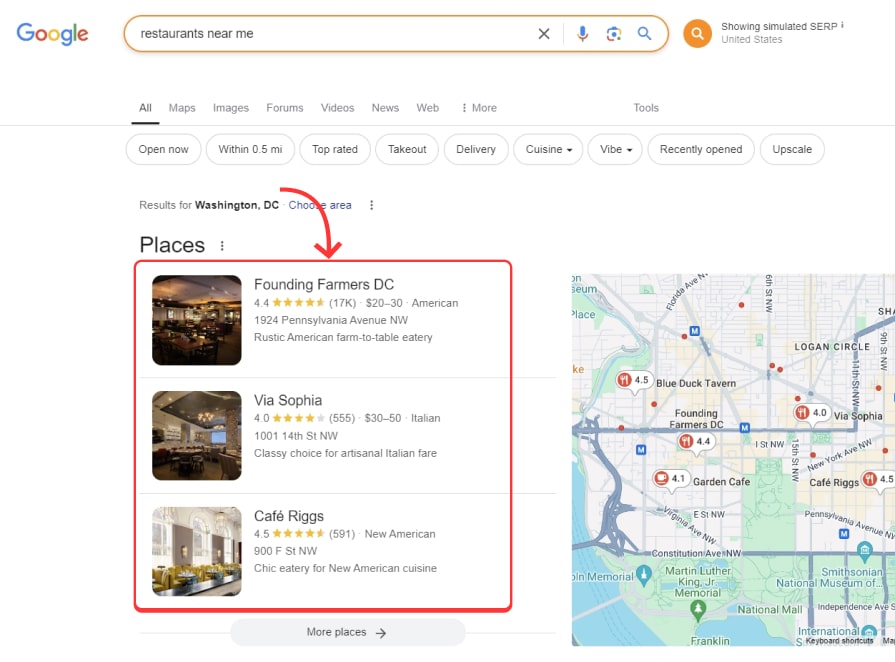
Evaluations and client reviews are necessary in local search marketing. Not including them in your material technique can cost you consumers and online visibility. Have a look at the star rankings for the three business below. Which one would you likely select? I'm thinking it's one of the first 2 options.

Latest Posts
Optimizing a Business Profile for 2026
2026 Search Guide to Small Businesses
Optimizing Search Presence in the Coming Year